Gas Prices Surge: Why U.S. Fuel Costs Jumped Over $1 Amid War
Introduction
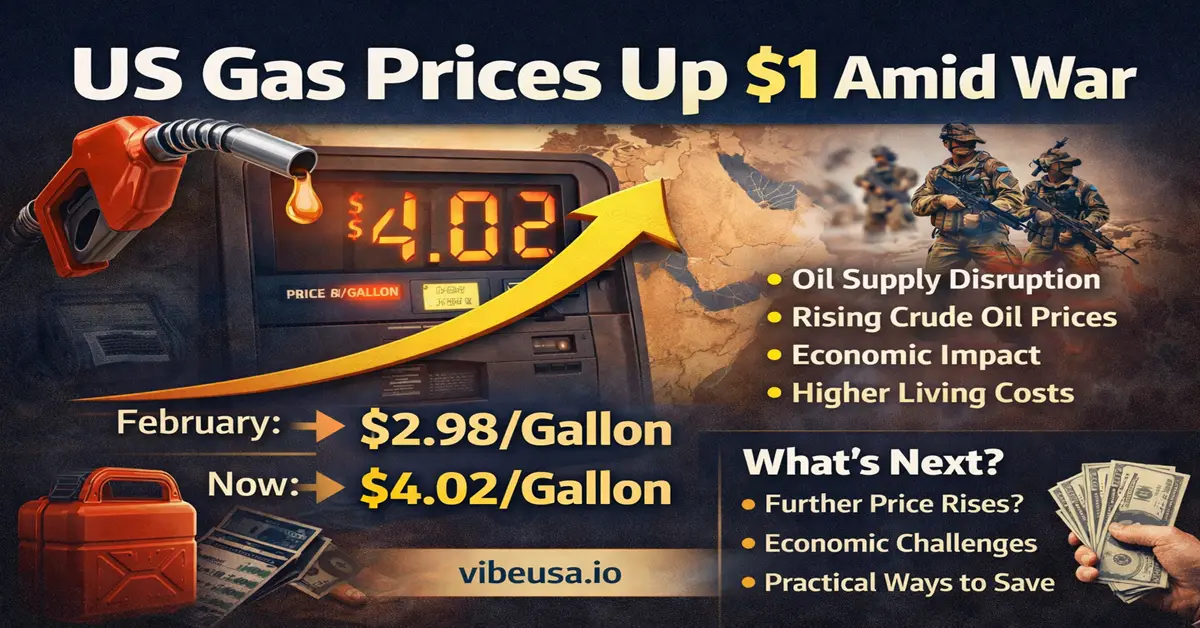
The average gas price in the United States has seen a dramatic increase, rising by more than $1 since February. This sudden surge is closely tied to geopolitical tensions and the ongoing war in the Middle East, which has disrupted global oil supplies and shaken energy markets.
As of late March 2026, the national average gas price has crossed $4 per gallon for the first time in years, putting pressure on households, businesses, and the overall economy.
In this article, we’ll break down why gas prices are rising, how the war is impacting fuel costs, and what it means for consumers and businesses moving forward.
What Happened to Gas Prices?
Sharp Increase Since February
- Gas prices were around $2.98 per gallon in February
- They have now risen to over $4.02 per gallon
- This marks an increase of more than $1 in just one month
This is one of the fastest monthly increases in recent years and reflects the strong link between global conflicts and fuel costs.
Why the War Is Driving Prices Up
Disruption in Oil Supply
The war has significantly affected oil production and transportation, especially in key regions.
- The Strait of Hormuz, a major oil shipping route, has been disrupted
- Around 20% of global oil supply passes through this route
- Supply shortages have pushed oil prices above $100 per barrel
When oil supply drops, fuel prices rise globally—and the U.S. is no exception.
Key Factors Behind the Price Surge
1. Rising Crude Oil Prices
Crude oil is the main component of gasoline. When its price increases, gas prices follow.
- Oil prices jumped from about $70 to over $100 per barrel
- This sharp rise directly increased fuel costs
2. Global Market Reaction
Energy markets are interconnected, meaning:
- Supply issues in one region affect prices worldwide
- Traders react quickly to uncertainty
- Prices rise even before shortages fully occur
3. Increased Demand
Seasonal factors also play a role:
- More travel during spring and summer
- Higher fuel demand
- Transition to more expensive summer fuel blends
Impact on Consumers
The rise in gas prices is affecting everyday life across the United States.
Higher Living Costs
- Increased transportation expenses
- Higher grocery prices due to shipping costs
- Rising utility bills
Many households are already feeling financial pressure, especially low-income families.
Budget Adjustments
- People are driving less
- Cutting back on non-essential spending
- Delaying purchases and travel plans
Impact on Businesses
Businesses are also facing challenges due to rising fuel costs.
Increased Operating Costs
- Higher delivery and logistics expenses
- Increased production costs
- Reduced profit margins
Price Increases
Many companies are passing costs to consumers by raising prices on goods and services.
If you run a platform like [your brand/website], covering such trends and offering cost-saving tips can attract readers looking for practical solutions in uncertain times.
Broader Economic Effects
The increase in gas prices has ripple effects across the entire economy.
Inflation Pressure
- Higher fuel costs lead to higher prices for goods
- Transportation costs impact nearly every industry
Reduced Consumer Spending
- People spend more on essentials like fuel
- Less money available for other purchases
Market Uncertainty
- Stock markets react to energy price changes
- Economic growth may slow down
Experts warn that prolonged high fuel prices could lead to long-term economic challenges.
What Happens Next?
The future of gas prices largely depends on how the geopolitical situation unfolds.
Possible Scenarios
- If the war continues: Prices may rise further
- If tensions ease: Prices could stabilize or decrease
- If supply routes reopen: Oil prices may drop
Analysts suggest prices could climb even higher if disruptions continue.
Tips to Manage Rising Fuel Costs
Here are some practical ways to cope with higher gas prices:
- Combine trips to reduce fuel usage
- Use public transport when possible
- Maintain your vehicle for better fuel efficiency
- Consider carpooling
- Monitor fuel prices and fill up strategically
Small changes can help reduce the impact on your budget.
Conclusion
The rise in average gas prices in the U.S.—up more than $1 since February—is a clear example of how global events directly affect everyday life. The ongoing war has disrupted oil supplies, pushed crude prices higher, and created a ripple effect across the economy.
While the situation remains uncertain, one thing is clear: energy markets are highly sensitive to geopolitical tensions. Staying informed and adapting to these changes is essential for both individuals and businesses.
As we move forward, monitoring global developments and adopting smarter energy habits will be key to managing rising costs.












Post Comment