Eurovision Clears Israel for 2026 Contest as 4 Broadcasters Quit Over Gaza War
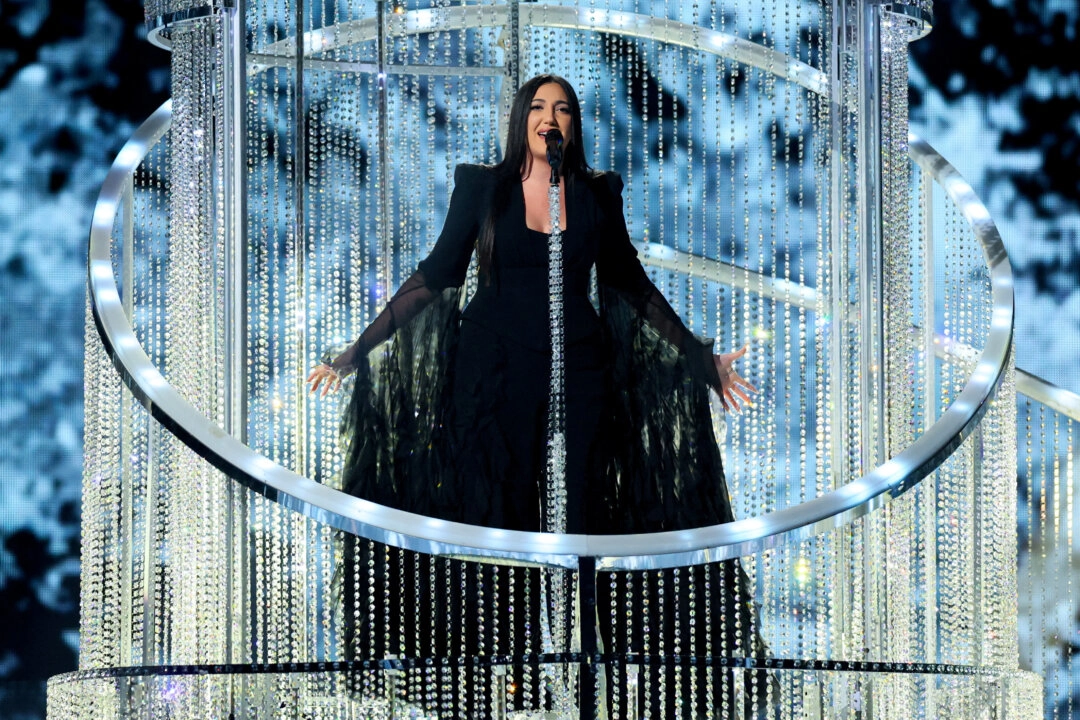
Israeli President Isaac Herzog welcomed the EBU’s decision, while Dutch, Irish, Slovenian and Spanish broadcasters announced a boycott.
The organisers of the Eurovision Song Contest have confirmed Israel will be allowed to participate in next year’s competition, rejecting calls from several European broadcasters to bar the country over its role in the Gaza conflict. At least four public broadcasters withdrew from the competition following the decision.
The European Broadcasting Union (EBU), which runs Eurovision, said on Dec. 4 that its members voted to support new reforms rather than voting on Israel’s eligibility.
“This vote means that all EBU Members who wish to participate in the Eurovision Song Contest 2026 and agree to comply with the new rules are eligible to take part,” the EBU said.
This year, the war in Gaza triggered objections from several members who questioned whether Israel should continue to compete and whether the contest could maintain political neutrality.
Israel’s government has repeatedly defended its campaign as a response to the attack by Hamas-led terrorists that started the war on Oct. 7, 2023. Terrorists killed around 1,200 people in the attack and took 251 hostage.
Opponents of Israel’s participation in Eurovision cite the war in Gaza, which has left more than 70,000 people dead, according to the Gaza Health Ministry, which operates under the Hamas-run government.
The EBU describes Eurovision as the world’s largest live music event, reaching about 160 million viewers across nearly 40 markets and millions more online. Thirty-seven public broadcasters took part in the 2025 contest in Basel, Switzerland.
EBU President Delphine Ernotte Cunci said the outcome reflected members’ commitment to safeguarding the credibility of the competition.
She added that discussions had produced meaningful changes to the rules to ensure Eurovision “remains a place for unity and cultural exchange.”
Israeli President Isaac Herzog welcomed the EBU’s decision.
He said in a Dec. 4 post on X that Israel “deserves to be represented on every stage around the world” and expressed hope that Eurovision would continue to champion “culture, music, friendship between nations, and cross-border cultural understanding.”
Broadcasters Withdraw
Following the decision, public broadcasters in the Netherlands, Spain, Ireland, and Slovenia said on Dec. 4 they would withdraw from the 2026 event in Austria.
Dutch broadcaster AVROTROS said that it would not participate, after consulting a wide range of stakeholders, including the Israeli ambassador, Amnesty International, and thousands of Eurovision fans.
AVROTROS said that “participation under the current circumstances cannot be reconciled with the public values that are essential to us.”
AVROTROS said Dutch public broadcasting system NPO supported the decision.
Spain’s RTVE followed suit. The broadcaster’s director general, Jose Pablo López, said in a Dec. 4 post on X that the assembly showed Eurovision was “not a song contest but a festival dominated by geopolitical interests and deeply divided.”
RTVE’s Secretary General Alfonso Morales said that while RTVE appreciated the new EBU measures, it considered them insufficient.
He said Israel’s use of the contest “for political purposes” and the situation in Gaza challenged the event’s neutrality. He also raised concerns about “manipulation of the vote in recent editions” and a “lack of sanctions.”
RTVE pushed for secret ballots on all Eurovision-related votes and proposed a one-year suspension of Israel’s public broadcaster KAN. Morales said the dispute had caused “one of the greatest internal tensions in the organization’s history.”
Israeli Ambassador to the U.N. Danny Danon said on Dec. 3 that Spain needed “a reminder that the Eurovision is a celebration of culture, music, and unity,” adding that Israel had long sent “brilliant artists” and would continue promoting its culture despite efforts by some to spread hate.
Ireland’s RTÉ also announced its withdrawal on Dec. 4, saying it would neither take part in nor broadcast the show.
“RTÉ feels that Ireland’s participation remains unconscionable given the appalling loss of lives in Gaza and the humanitarian crisis there which continues to put the lives of so many civilians at risk,” Ireland’s national broadcaster said in a statement.
Slovenia’s RTV Slovenija said on Dec. 4 that it, too, would withdraw and would not broadcast any of the three nights of the competition.
A report on the website of Icelandic broadcaster RUV said its chiefs would meet next week to discuss whether Iceland would take part. RUV’s board last week recommended that Israel be banned from the event in the Austrian capital if it is allowed to participate.
Israeli Foreign Minister Gideon Saar said he was “ashamed of those countries that chose to boycott a music competition like Eurovision because of Israel’s participation.” Israel’s opposition leader, Benny Gantz, said on Dec. 4 that “antisemitic nations continue to expose for the world to see their hypocrisy against Israel — now by boycotting the Eurovision.”
The full list of broadcasters taking part in Eurovision’s 70th-anniversary edition in 2026 will be published before Christmas, the EBU said.
The Associated Press contributed to this report.









Post Comment