A Silent Crisis Ahead: 6 in 10 Women May Face Heart Disease by 2050
Introduction
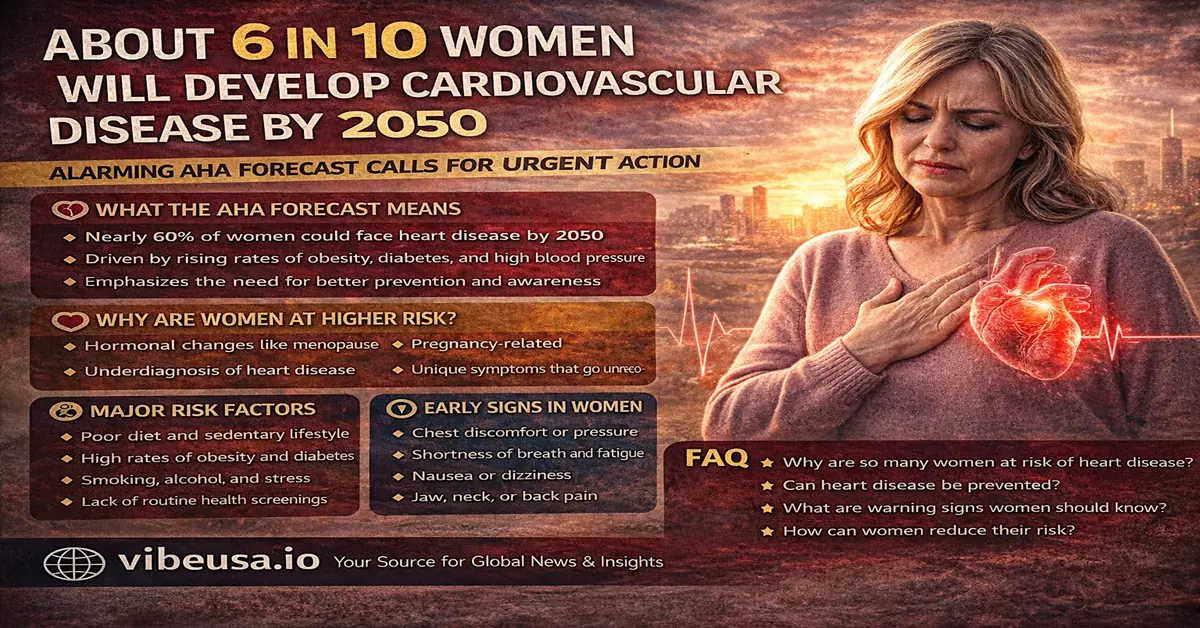
A concerning new forecast from the American Heart Association suggests that nearly 60% of women could develop cardiovascular disease by 2050. This alarming projection highlights a growing public health challenge that demands urgent attention.
Cardiovascular disease—which includes heart attacks, strokes, and related conditions—has long been the leading cause of death worldwide. However, its rising impact on women is particularly concerning, as symptoms are often overlooked, underdiagnosed, or misunderstood. This forecast serves as a wake-up call for individuals, healthcare providers, and policymakers alike.
What Is Cardiovascular Disease?
Cardiovascular disease (CVD) refers to a group of disorders affecting the heart and blood vessels.
Common Types of CVD
- Coronary artery disease (blocked arteries)
- Stroke (interrupted blood flow to the brain)
- Heart failure (heart unable to pump effectively)
- Hypertension (high blood pressure)
These conditions can develop over time and often remain unnoticed until serious complications occur.
Understanding the AHA Forecast
The American Heart Association projection is based on current health trends, lifestyle patterns, and population growth.
Key Findings
- About 6 in 10 women may develop some form of cardiovascular disease by 2050
- Rising rates of obesity, diabetes, and high blood pressure are major contributors
- Aging populations increase overall risk
- Health disparities may worsen outcomes for certain groups
This forecast highlights the urgent need for preventive measures and early intervention.
Why Are Women at Increasing Risk?
While heart disease affects both men and women, several factors make women particularly vulnerable.
Unique Risk Factors for Women
1. Hormonal Changes
Menopause leads to a drop in estrogen, which plays a protective role in heart health.
2. Pregnancy-Related Complications
Conditions like preeclampsia and gestational diabetes can increase long-term risk.
3. Underdiagnosis
Women’s symptoms are often different from men’s and may be misinterpreted.
4. Lifestyle Pressures
Balancing work, family, and personal responsibilities can lead to stress and neglect of health.
Key Drivers Behind the Rising Numbers
Several modern lifestyle trends are contributing to the expected increase in cardiovascular disease.
Major Contributing Factors
- Poor Diet: High intake of processed foods, sugar, and unhealthy fats
- Physical Inactivity: Sedentary lifestyles reduce heart health
- Obesity: A major risk factor linked to multiple conditions
- Smoking and Alcohol Use: Damages blood vessels and heart function
- Chronic Stress: Increases blood pressure and inflammation
These factors, when combined, significantly raise the likelihood of developing heart disease.
Early Warning Signs Women Should Not Ignore
Recognizing symptoms early can save lives. However, women often experience less obvious signs compared to men.
Common Symptoms in Women
- Chest discomfort or pressure
- Shortness of breath
- Fatigue or weakness
- Nausea or dizziness
- Pain in the jaw, neck, or back
Because these symptoms can be subtle, they are sometimes dismissed, leading to delayed treatment.
The Importance of Prevention
The good news is that cardiovascular disease is largely preventable with the right lifestyle choices.
Steps Women Can Take
Healthy Eating
- Focus on fruits, vegetables, whole grains, and lean proteins
- Limit processed foods and sugary drinks
Regular Exercise
- Aim for at least 150 minutes of moderate activity per week
Routine Health Checkups
- Monitor blood pressure, cholesterol, and blood sugar levels
Stress Management
- Practice relaxation techniques like meditation or yoga
Avoid Harmful Habits
- Quit smoking and limit alcohol consumption
Small, consistent changes can make a big difference over time.
Role of Healthcare Systems and Awareness
Addressing this growing crisis requires more than individual action.
What Needs to Be Done
- Improved Awareness Campaigns: Educating women about risks and symptoms
- Better Screening Programs: Early detection can prevent complications
- Gender-Specific Research: Understanding how heart disease affects women differently
- Accessible Healthcare: Ensuring all women receive proper care
Healthcare systems must adapt to meet the unique needs of women.
The Bigger Picture: A Global Health Challenge
The forecast from the American Heart Association is not just a statistic—it’s a call to action.
At vibeusa.io, we emphasize the importance of raising awareness about critical health issues. This projection highlights how lifestyle, environment, and healthcare systems intersect to shape future outcomes.
If proactive steps are taken now, millions of lives can be improved—and potentially saved.
What the Future Could Look Like
Without intervention, the burden of cardiovascular disease could strain healthcare systems and impact quality of life for millions of women.
Possible Outcomes
- Increased healthcare costs
- Reduced life expectancy
- Greater demand for medical services
- Wider health disparities
However, with awareness and action, these outcomes can be significantly reduced.
Conclusion
The prediction that 6 in 10 women may develop cardiovascular disease by 2050 is a serious warning—but it is not inevitable. With better awareness, healthier lifestyles, and improved healthcare systems, this trend can be reversed.
The key lies in early action. By understanding the risks, recognizing symptoms, and making informed choices, women can take control of their heart health. The time to act is now.








Post Comment