Powering the Future: The Global Shift in Energy Sources
Introduction
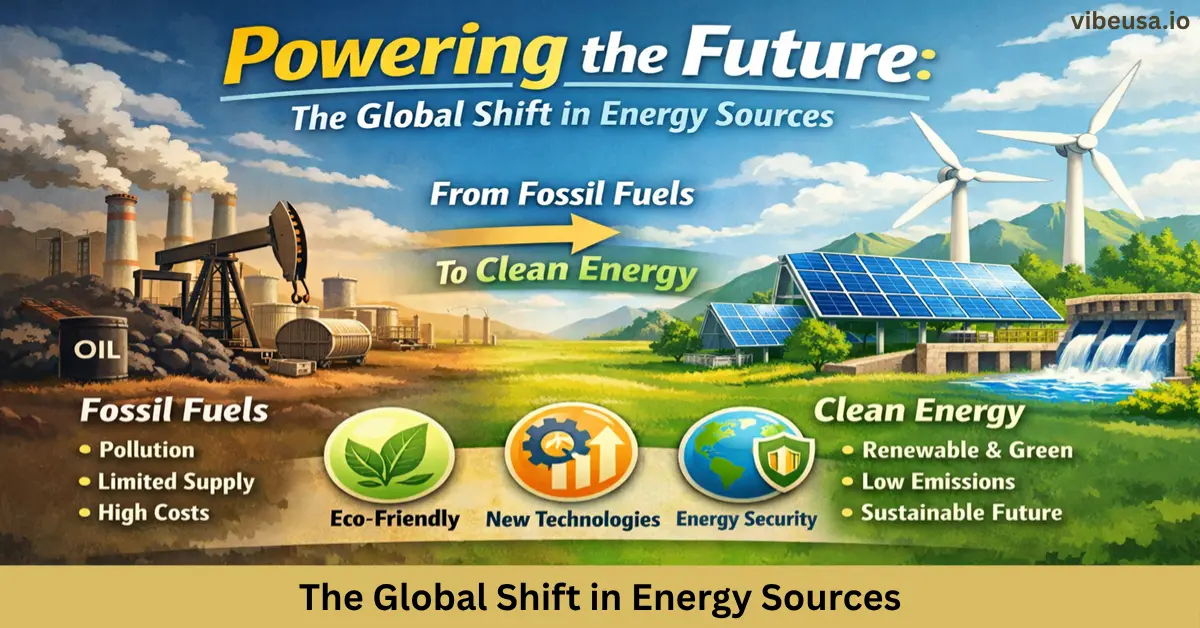
The world is going through a major transformation in how energy sources is produced and consumed. For decades, fossil fuels like coal, oil, and natural gas powered industries, homes, and transportation. However, rising environmental concerns, climate change, and the need for sustainable solutions have accelerated the shift toward cleaner energy sources. This change is not just a trend—it’s a necessity for a better and more secure future.
Today, the shift in energy sources is not just an environmental movement—it’s a global transformation that is reshaping economies, industries, and everyday life. Understanding this change is essential for anyone who wants to stay informed and prepared for the future.
Why the Shift in Energy Sources Matters
The transition from traditional to renewable energy is driven by several key factors:
Environmental Concerns
- Fossil fuels release harmful greenhouse gases
- Air pollution affects human health
- Climate change is causing extreme weather events
Economic Benefits
- Renewable energy reduces long-term costs
- Creates new job opportunities
- Reduces dependence on imported fuels
Energy Security
- Countries can produce their own energy
- Less reliance on unstable global markets
- More stable and predictable energy supply
Energy Independence
- Reduces reliance on imported fuels
- Enhances national security
- Provides more stable energy supply
This makes energy systems more reliable and less vulnerable to global disruptions.
Traditional vs Renewable Energy Sources
Understanding the difference is key to seeing why the change is happening.
Traditional Energy Sources
- Coal
- Oil
- Natural Gas
Challenges:
- Limited supply
- High pollution
- Environmental damage
- Renewable Energy Sources
- Solar energy ☀️
- Wind energy 🌬️
- Hydropower 💧
- Biomass 🌿
Advantages:
- Sustainable and unlimited
- Low environmental impact
- Increasingly affordable
Drawbacks:
- Limited and non-renewable
- High greenhouse gas emissions
- Environmental damage from extraction and use
Key Drivers of Energy Transformation
1. Technological Advancements
Innovations in solar panels, wind turbines, and battery storage have made renewable energy more efficient and affordable. Energy systems are becoming smarter, allowing better management and distribution.
2. Government Policies
Governments are introducing policies to reduce carbon emissions, such as:
- Tax incentives for clean energy adoption
- Renewable energy targets
- Carbon pricing and environmental regulations
These measures encourage both businesses and individuals to switch to greener alternatives.
3. Rising Public Awareness
People are becoming more environmentally conscious and are demanding cleaner energy options. This shift in mindset is influencing companies and governments to take action.
Impact on Businesses and Individuals / Daily Life
The change in energy sources affects everyone—from large corporations to everyday consumers.
For Businesses
- Lower operational costs over time
- Opportunity to build a green brand image
- Compliance with environmental regulations
If you run a digital platform, promoting sustainable practices can enhance credibility and attract environmentally conscious audiences.
For Individuals
- Reduced electricity bills with solar systems
- Cleaner air and healthier living conditions
- Contribution to environmental protection
Adopting renewable energy at home is becoming easier and more affordable.
Challenges in the Energy Transition
Despite its benefits, the shift to renewable energy comes with certain challenges.
High Initial Investment
Installing renewable energy systems like solar panels can require significant upfront costs, even though they save money over time.
Intermittent Energy Supply
Solar and wind energy depend on weather conditions, which can make energy supply inconsistent without proper storage solutions.
Infrastructure Limitations
Existing energy infrastructure is designed for fossil fuels. Transitioning to renewable energy requires major upgrades and investments.
The Future of Energy
The future of energy is clearly moving toward sustainability. Experts predict several exciting developments:
- Increased use of solar and wind energy worldwide
- Growth of electric vehicles reducing fuel consumption
- Development of advanced battery storage systems
- Smart grids improving energy efficiency and reliability
Countries across the globe are committing to reducing carbon emissions and achieving net-zero targets. This means renewable energy will play a central role in powering the future.n energy the backbone of future development.
How You Can Contribute to the Change
Everyone can play a role in supporting the transition to cleaner energy. Here are some simple steps you can take:
- Use energy-efficient appliances
- Switch to LED lighting
- Turn off unused electrical devices
- Consider installing solar panels
- Support businesses that use renewable energy
Small actions can make a big difference when combined on a global scale.
Conclusion
The shift in energy sources is one of the most important transformations of our time. Moving from fossil fuels to renewable energy is essential for protecting the environment, improving public health, and ensuring long-term economic stability.
Today, the shift in energy sources is not just an environmental movement—it’s a global transformation that is reshaping economies, industries, and everyday life. Understanding this change is essential for anyone who wants to stay informed and prepared for the future.
While challenges remain, the progress being made in technology, policy, and awareness is driving this transition forward at an incredible pace. By understanding and supporting this change, individuals and businesses alike can contribute to a cleaner, greener, and more sustainable future.








5 comments